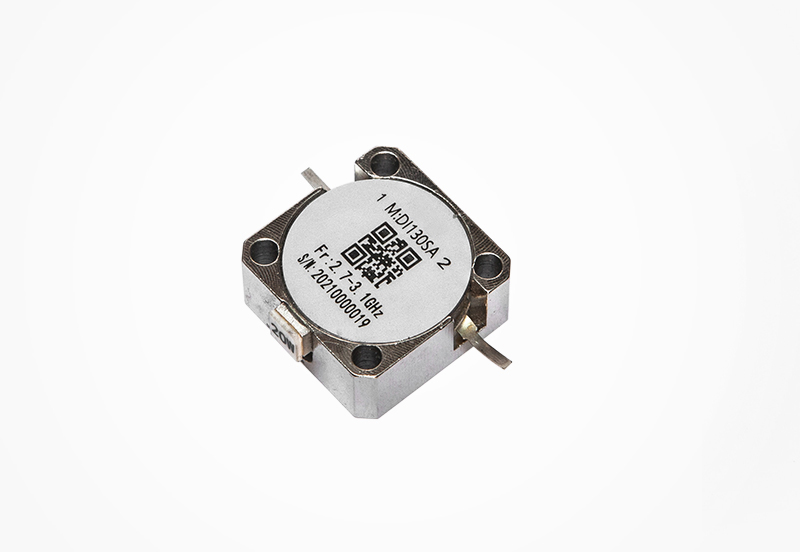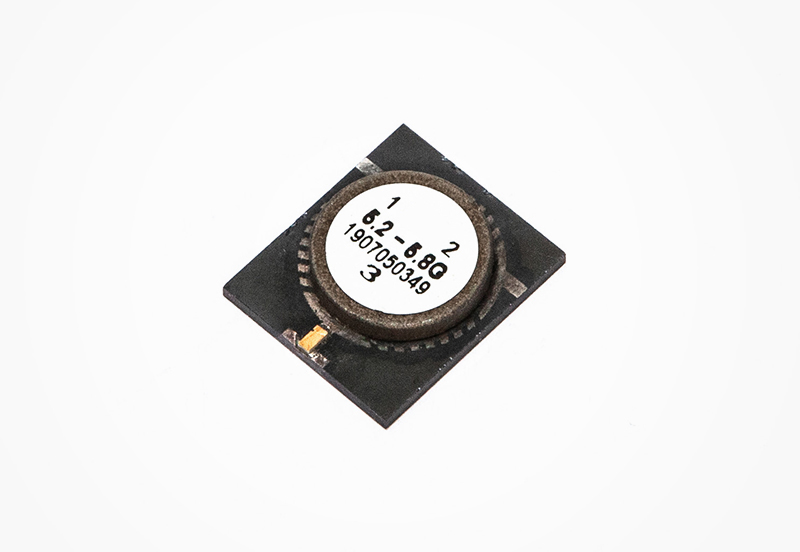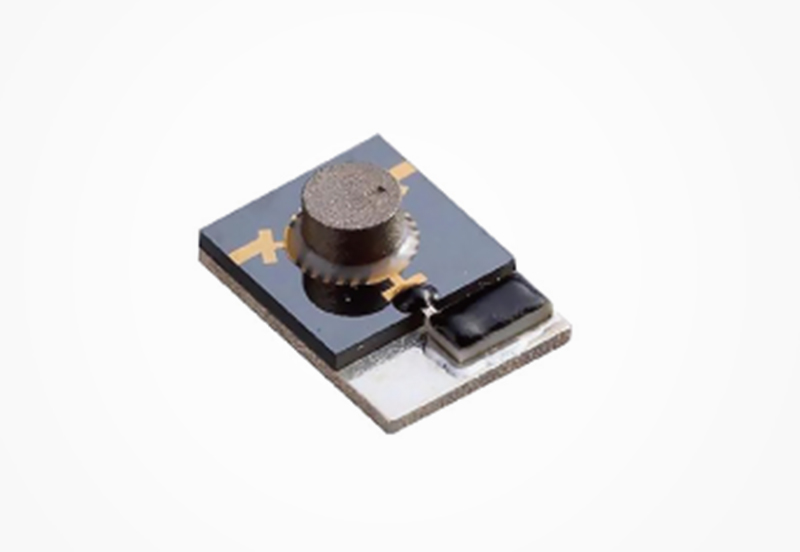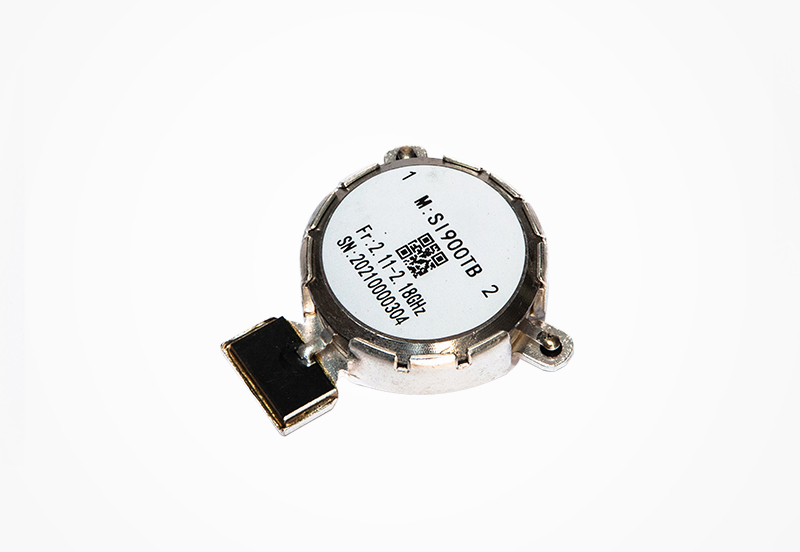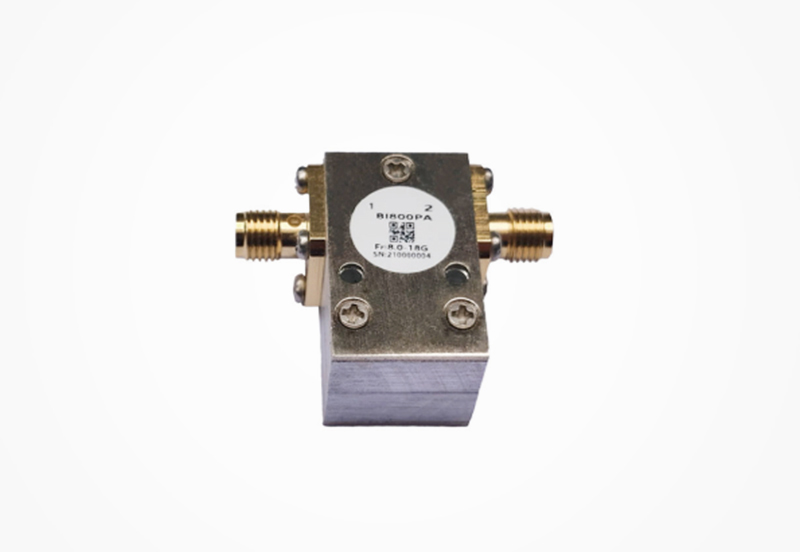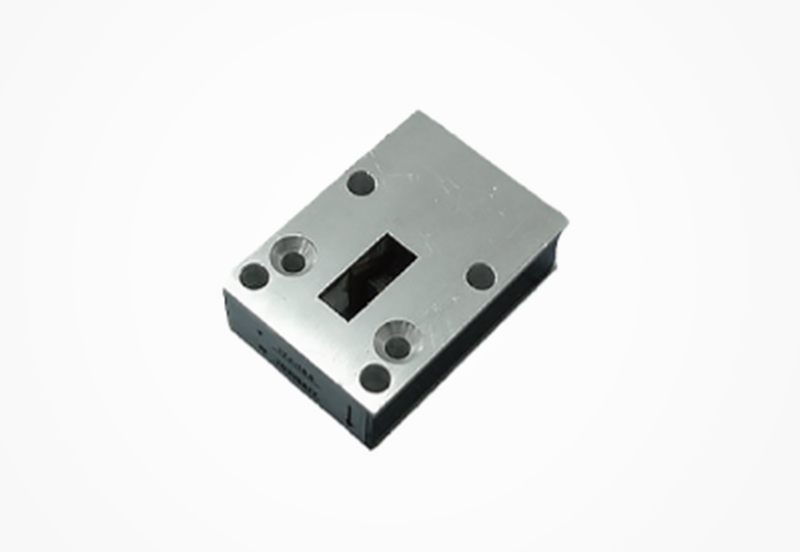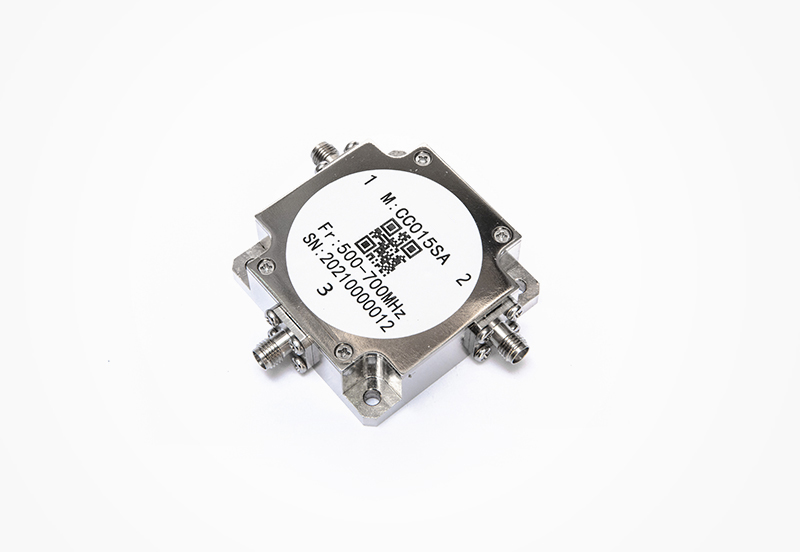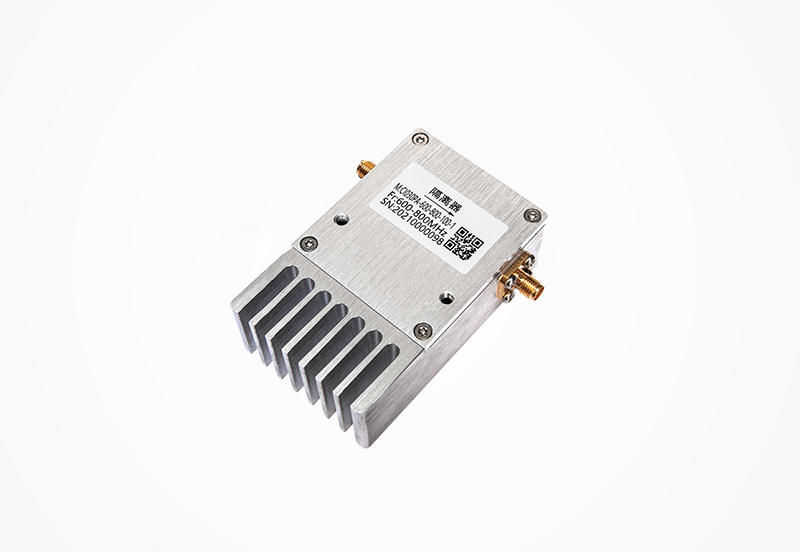




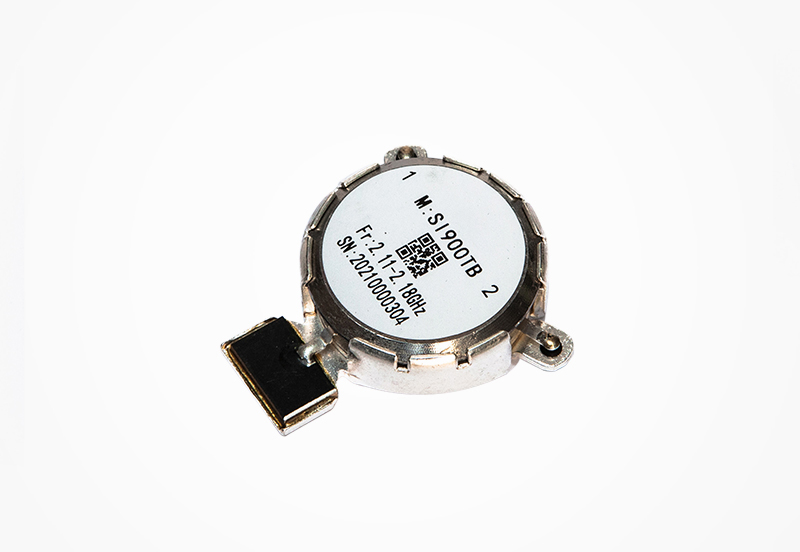
The 700MHz LTE RF isolator is a dedicated passive component optimized for 700MHz low-frequency LTE wireless infrastructure construction, widely known as the “golden frequency band” for wireless coverage. The 700MHz frequency band has the advantages of long propagation distance, strong penetration and wide coverage, and is mainly used for rural network coverage, urban deep coverage and IoT wireless access in LTE systems. This customized RF isolator is precisely tuned to the 700MHz operating frequency, adapting to the low-frequency signal transmission characteristics of LTE networks, and provides professional signal isolation protection for large-scale wireless infrastructure construction.
In wireless infrastructure deployment, low-frequency LTE signals are prone to multi-path reflection and impedance mismatch interference during long-distance transmission, which easily causes signal attenuation distortion and damage to base station RF transceivers. The 700MHz LTE isolator utilizes non-reciprocal transmission characteristics to minimize forward signal loss and highly attenuate reverse reflected signals, effectively stabilizing LTE base station operating status and improving signal transmission quality. It features ultra-low insertion loss and high isolation indicators, which can maximize the coverage advantage of the 700MHz frequency band, reduce signal blind spots, and improve the overall coverage efficiency and stability of LTE wireless networks.
This isolator is specially designed for outdoor large-scale wireless infrastructure scenarios, with waterproof, dustproof and anti-aging structural performance, adapting to harsh outdoor working environments such as high temperature, low temperature and humidity. It is compatible with standard LTE base station interfaces and can be seamlessly integrated into new infrastructure construction and old network renovation projects. By optimizing low-frequency signal transmission efficiency and reducing equipment failure rates, it effectively reduces the operation and maintenance pressure of LTE wireless networks. It plays an irreplaceable role in promoting full coverage of rural and remote area LTE networks and improving the overall service capability of wireless communication infrastructure.


Contact Phone:
0755-26701085 0755-26701002
Company Address :2nd Floor, Building A, Juchuang Jingu Creative Park, Xili Street, Nanshan District, Shenzhen