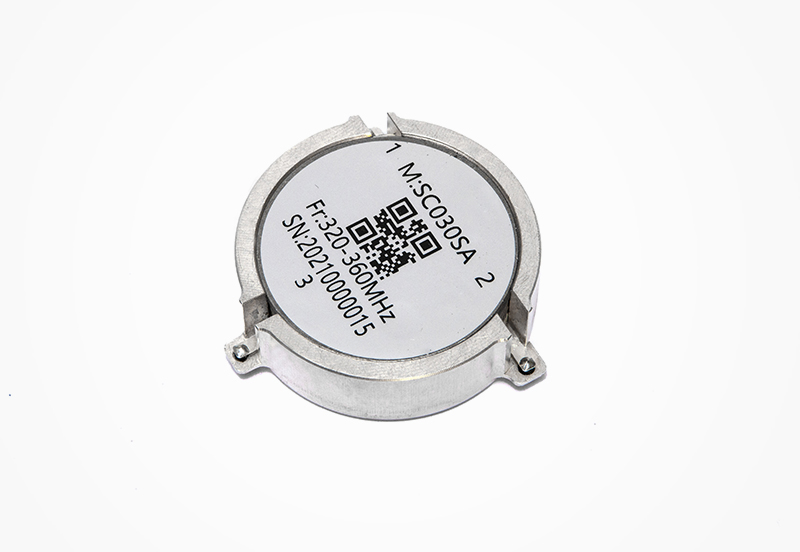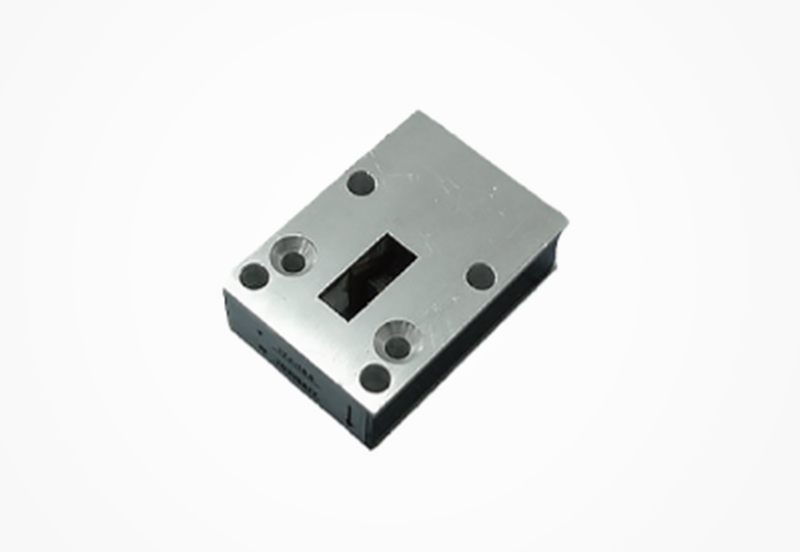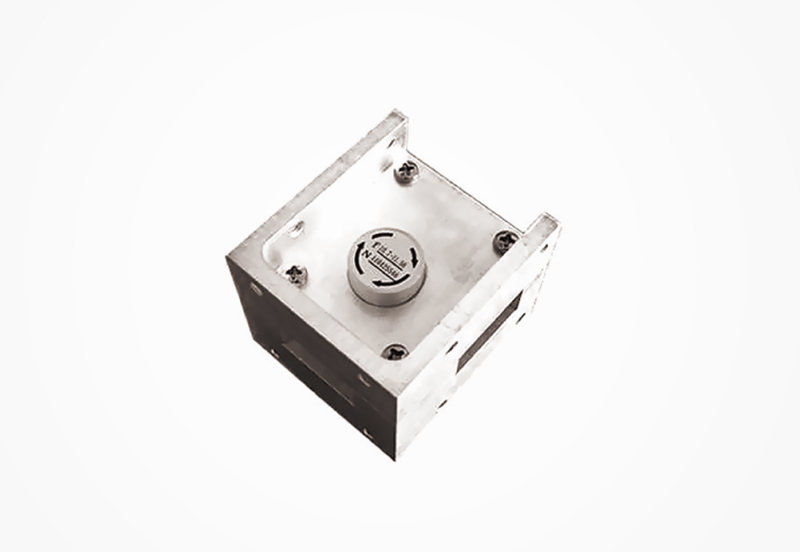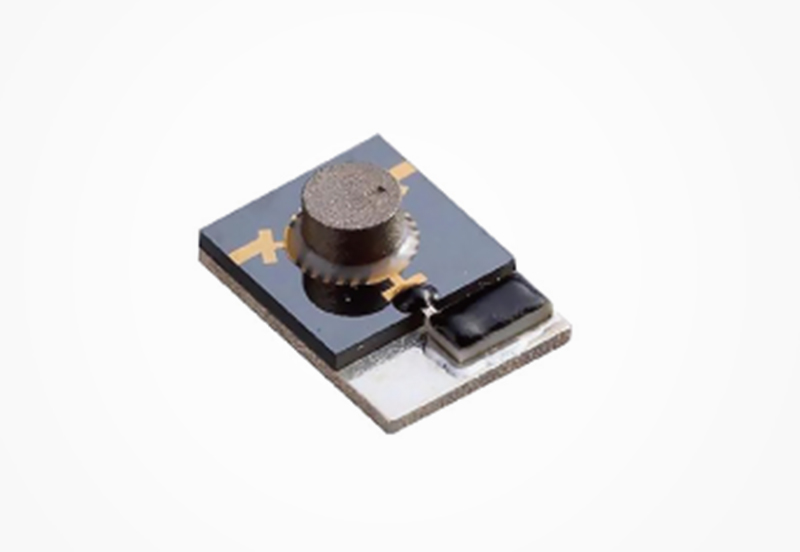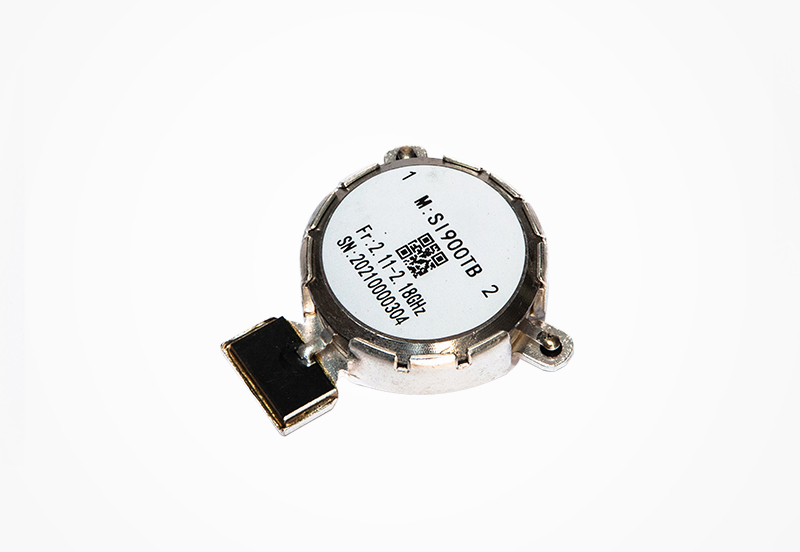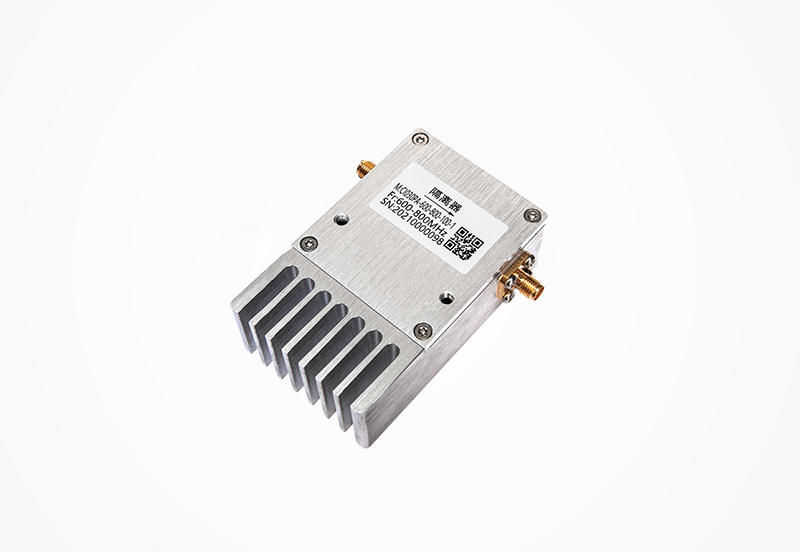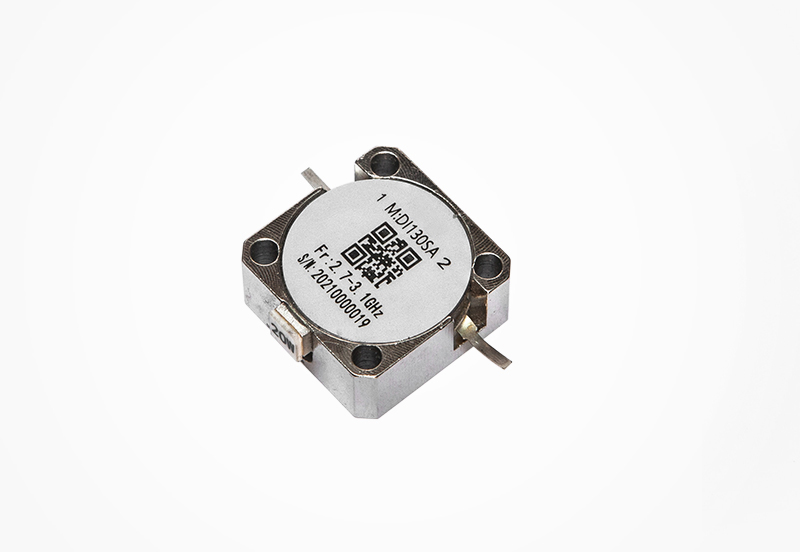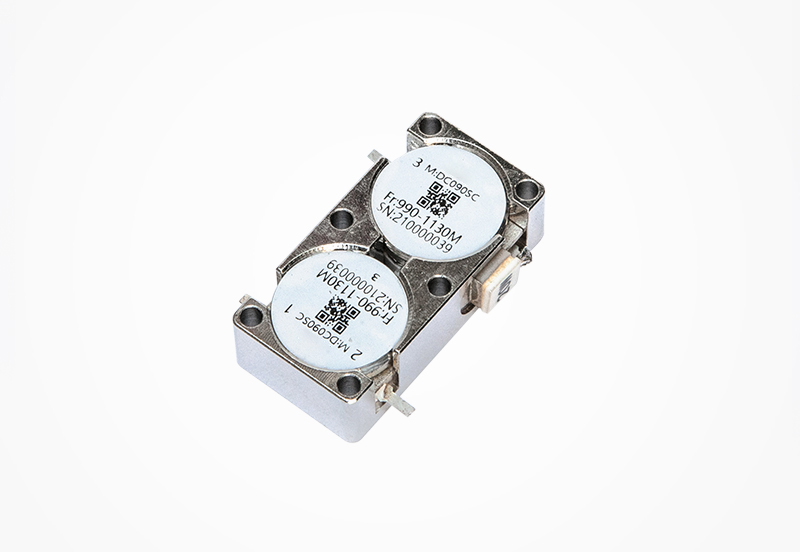




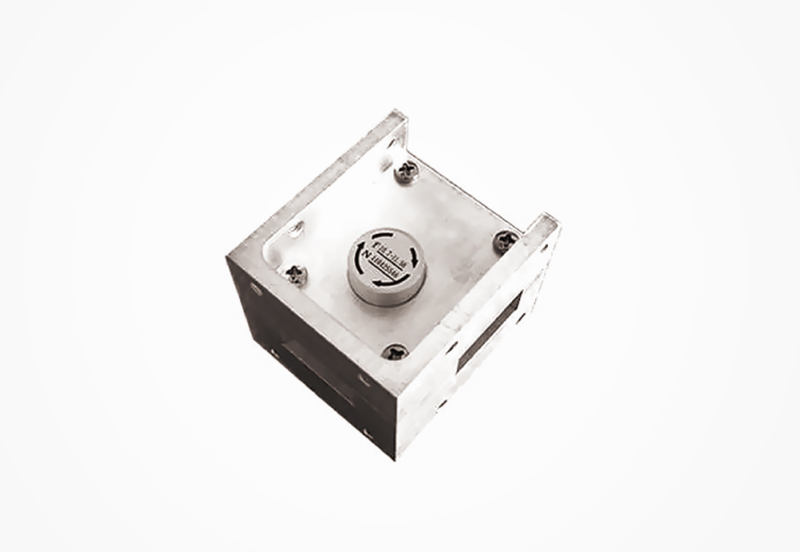
The low VSWR RF circulator specially designed for lab testing instruments is a high-precision passive microwave component developed for laboratory RF signal testing, calibration and experimental research scenarios. Voltage Standing Wave Ratio (VSWR) is a key indicator measuring RF signal transmission matching performance; high VSWR will cause serious signal reflection, waveform distortion and test data deviation, which cannot meet the high-precision testing standards of scientific research laboratories. This professional circulator achieves ultra-low VSWR performance through precise impedance matching design and strict production calibration, completely solving the signal reflection and mismatch problems of ordinary circulators in precision testing systems, providing pure and stable signal transmission conditions for laboratory RF experiments.
Different from ordinary industrial circulators, this lab-grade low VSWR circulator undergoes ultra-precise debugging and frequency band calibration in the production process. It realizes perfect impedance matching with standard RF test systems, with the VSWR value stably controlled below 1.1:1 in the full working frequency band, far exceeding the industry conventional standard. Ultra-low standing wave ratio minimizes signal reflection energy, ensures almost lossless forward transmission of test signals, and avoids interference with test source equipment and distortion of experimental data. Meanwhile, it retains high port isolation and low insertion loss characteristics, which can effectively isolate mutual interference between test channels, protect expensive laboratory signal generators, spectrum analyzers and other precision testing instruments from reflected signal damage.
This low VSWR RF circulator features high testing accuracy, excellent repeatability and stable batch consistency, which is essential for scientific research experiments, product performance testing and RF system calibration. It is widely used in university communication laboratories, electronic technology research institutes, enterprise RF product testing workshops and third-party detection institutions. It can be flexibly matched with various RF testing instruments to complete signal parameter testing, component performance verification, system anti-interference experiments and microwave circuit debugging. By ensuring the accuracy and stability of test data, it provides reliable technical support for RF product research and development, performance optimization and quality inspection, becoming an indispensable core accessory in high-precision RF laboratory testing systems.


Contact Phone:
0755-26701085 0755-26701002
Company Address :2nd Floor, Building A, Juchuang Jingu Creative Park, Xili Street, Nanshan District, Shenzhen