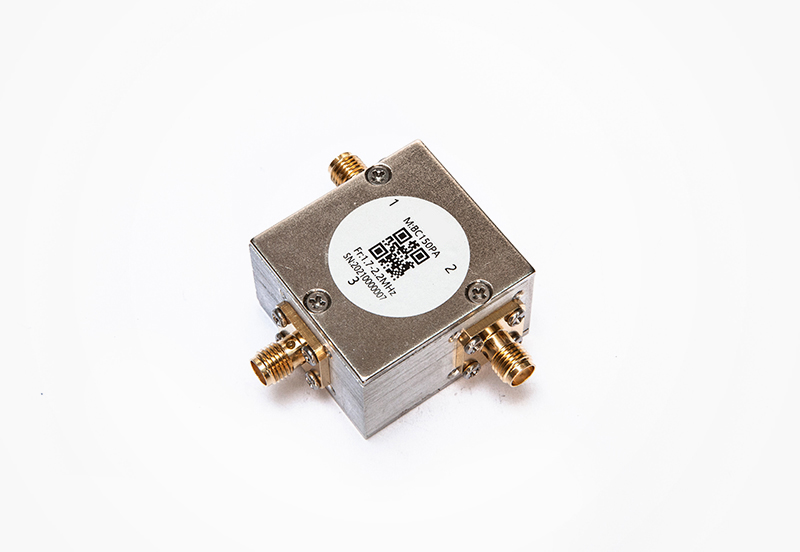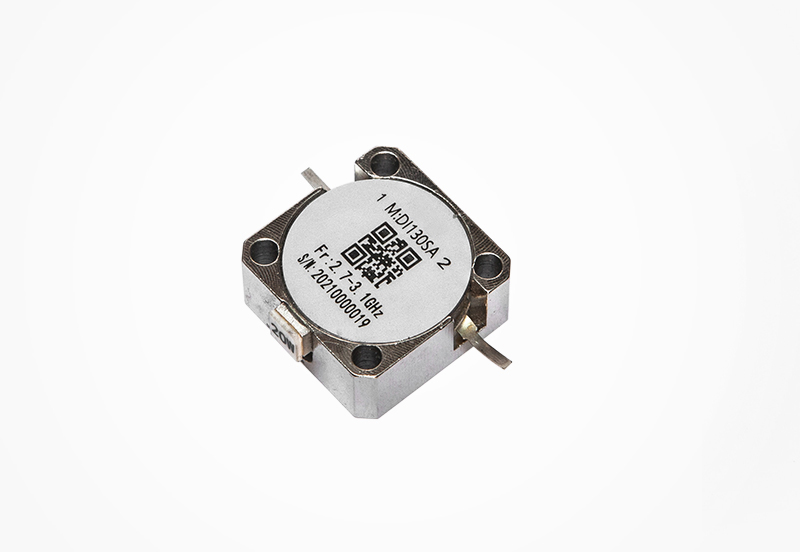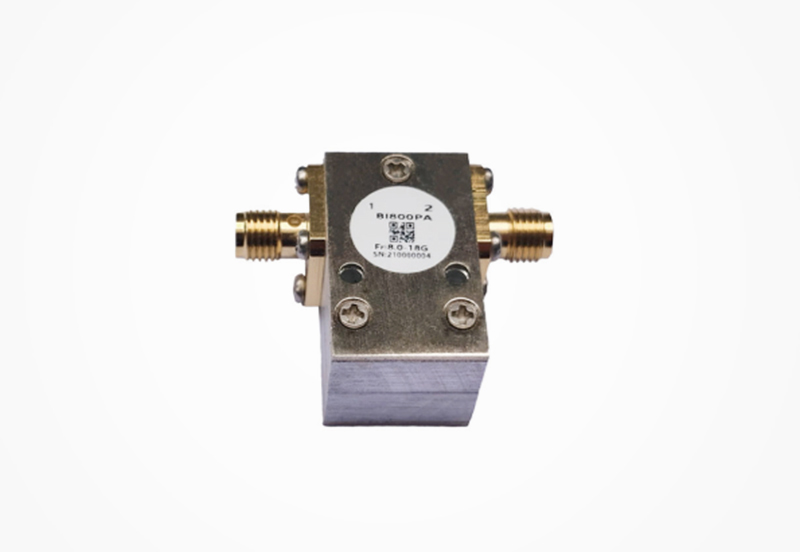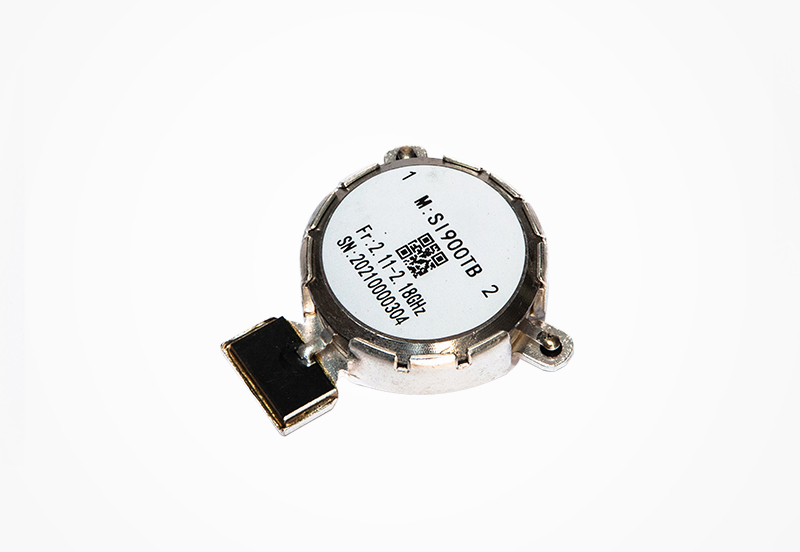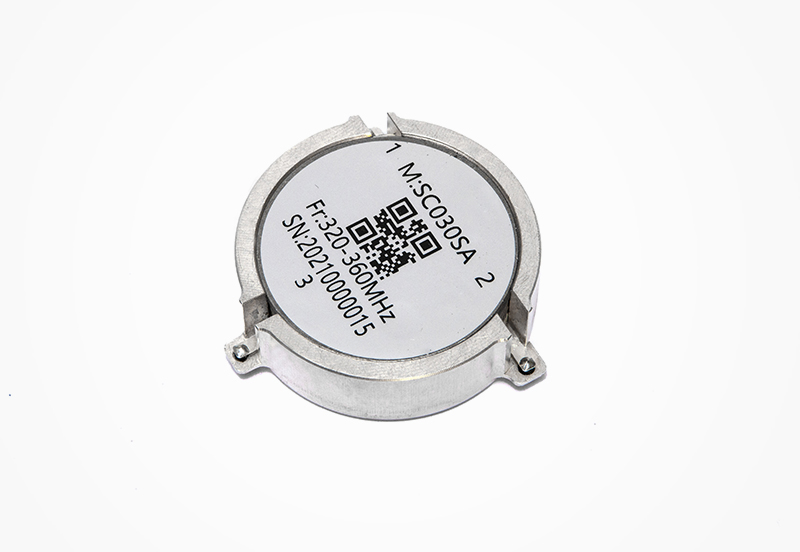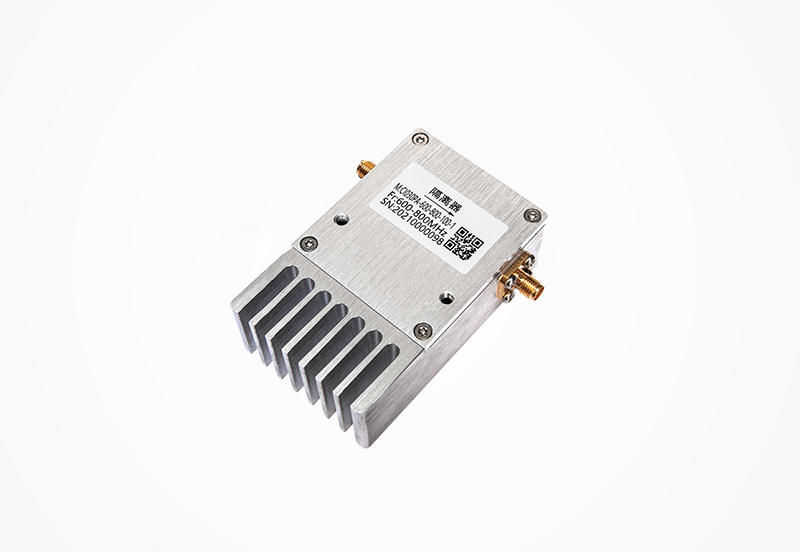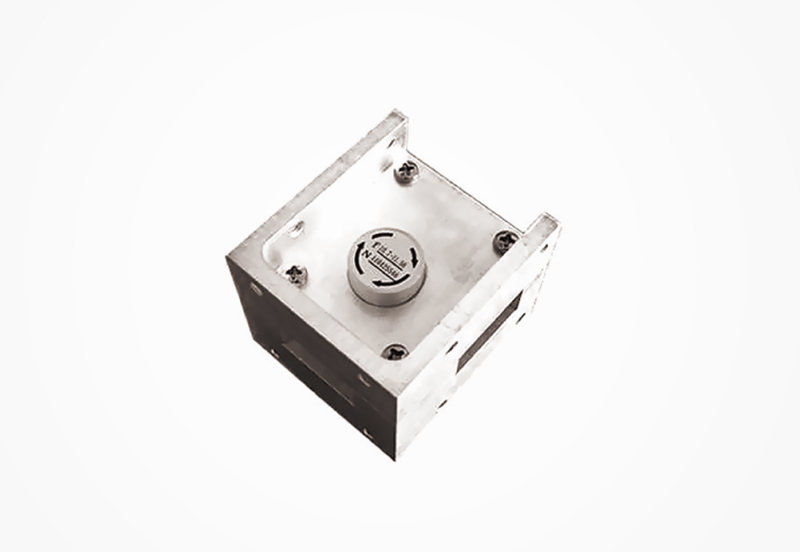




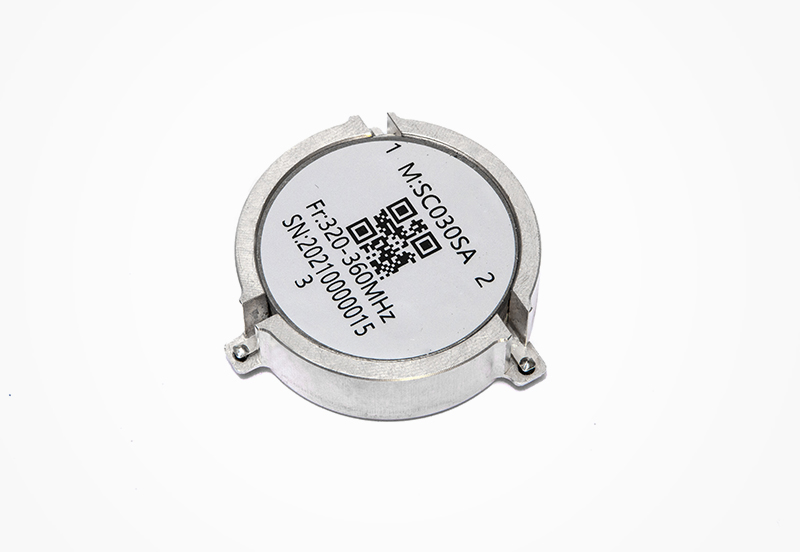
Tunable RF circulators are core reconfigurable microwave components widely used in modern wireless communication, radar detection, and RF measurement systems, featuring adjustable operating frequency bands that distinguish them from traditional fixed-frequency circulators. Unlike conventional ferrite circulators with fixed magnetic bias parameters, tunable RF circulators realize continuous or step frequency tuning by adjusting external magnetic field strength, electromagnetic coil current, or internal resonant circuit parameters. This flexible frequency adaptation capability enables them to meet the multi-band and variable-frequency working requirements of complex laboratory RF systems, becoming key test components for verifying the performance of broadband RF devices and reconfigurable communication modules. Laboratory RF testing is essential to calibrate the tuning accuracy, signal transmission stability, and anti-interference performance of tunable circulators under different working conditions.
The core of laboratory RF testing for tunable RF circulators lies in the precise measurement of key radio frequency parameters across the entire tuning range. The test system is mainly built with a vector network analyzer (VNA), precision signal source, matched 50Ω load, and temperature control platform. During the test, technicians first conduct full-band calibration of the VNA to eliminate system errors such as line loss and port mismatch. Then, they adjust the circulator’s tuning mechanism to traverse the entire working frequency band, and real-timely collect S-parameter data including insertion loss, port isolation, and return loss. Qualified tunable circulators need to maintain low insertion loss (usually less than 1.5dB) and high isolation (more than 20dB) at all tuning frequency points, ensuring no signal crosstalk or power attenuation abnormality during frequency switching. Meanwhile, return loss indicators must be kept above 15dB to guarantee good port impedance matching.
In addition to static parameter testing, laboratory testing also includes dynamic tuning stability and environmental adaptability verification. The dynamic test focuses on detecting parameter drift during continuous frequency switching and long-term operation, simulating the frequent tuning working state of the circulator in actual complex RF systems. The environmental test covers high and low temperature cycling, humidity resistance, and vibration tests, monitoring the changes of electrical performance indicators under extreme laboratory conditions. This series of tests can effectively verify the reliability of the tuning mechanism and the consistency of RF performance, eliminate product defects such as frequency deviation and unstable isolation caused by assembly errors or material fatigue. Standardized laboratory RF testing ensures that tunable RF circulators can provide accurate, stable, and reconfigurable signal circulation functions for high-precision RF measurement and scientific research experiments.


Contact Phone:
0755-26701085 0755-26701002
Company Address :2nd Floor, Building A, Juchuang Jingu Creative Park, Xili Street, Nanshan District, Shenzhen