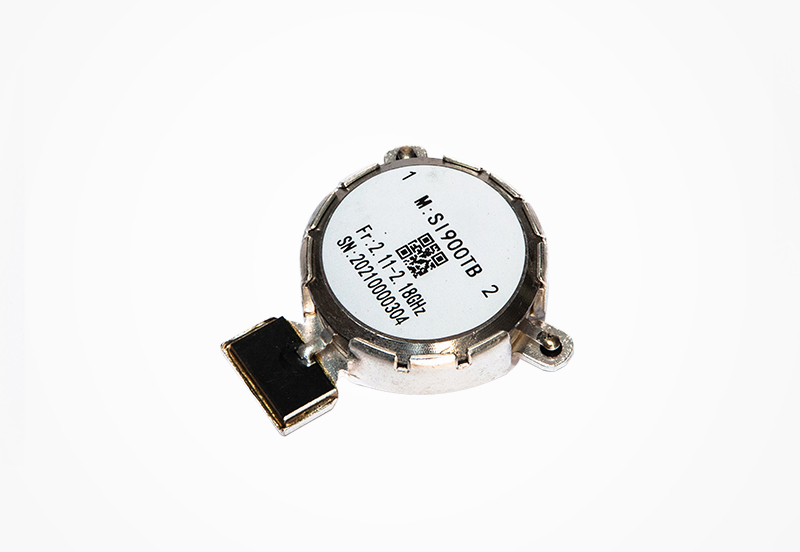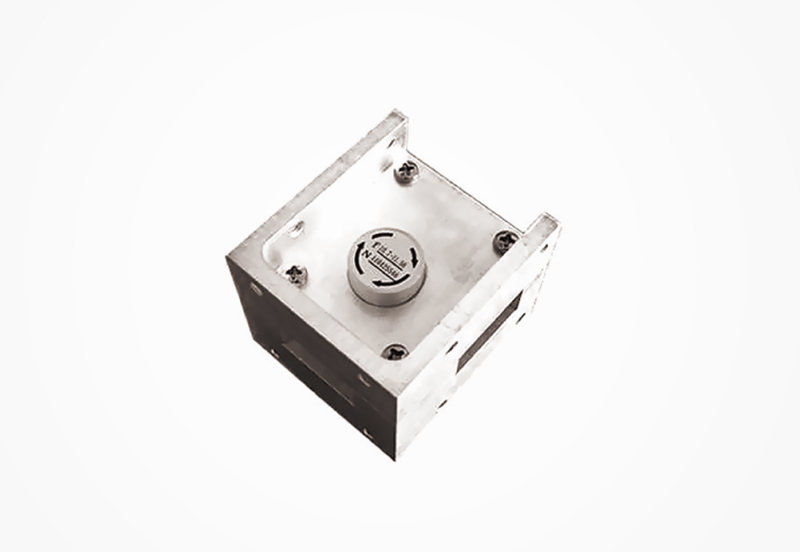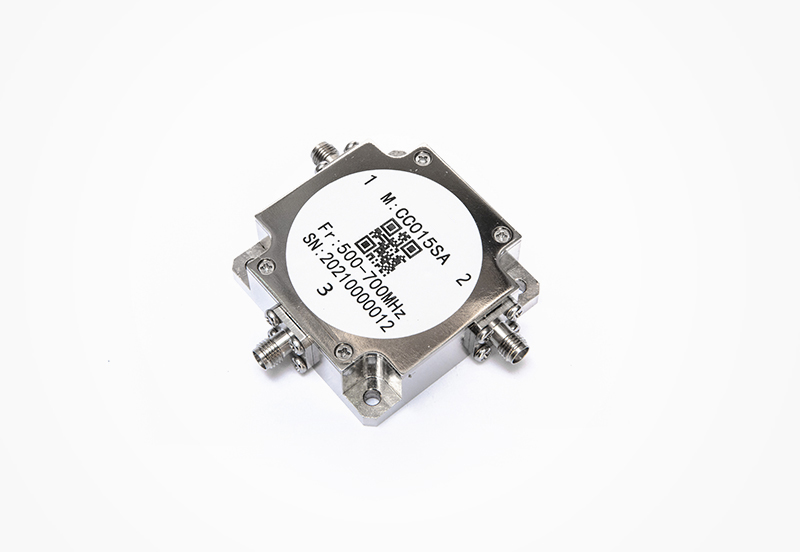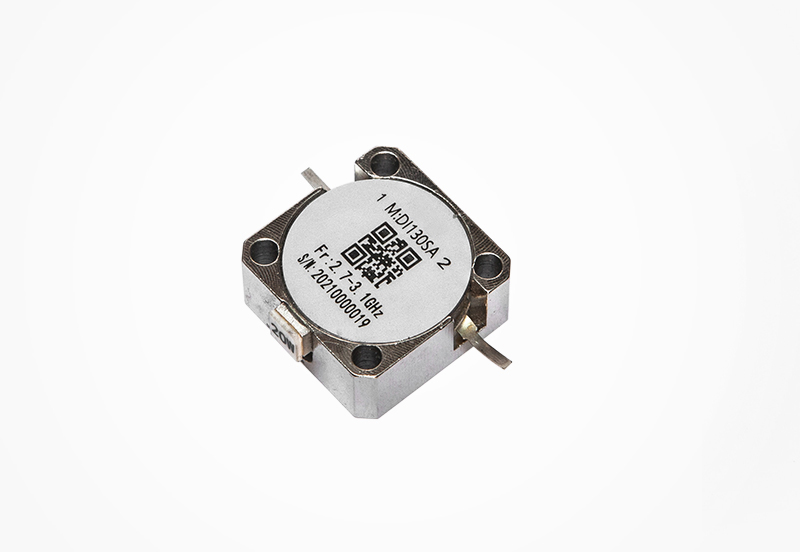




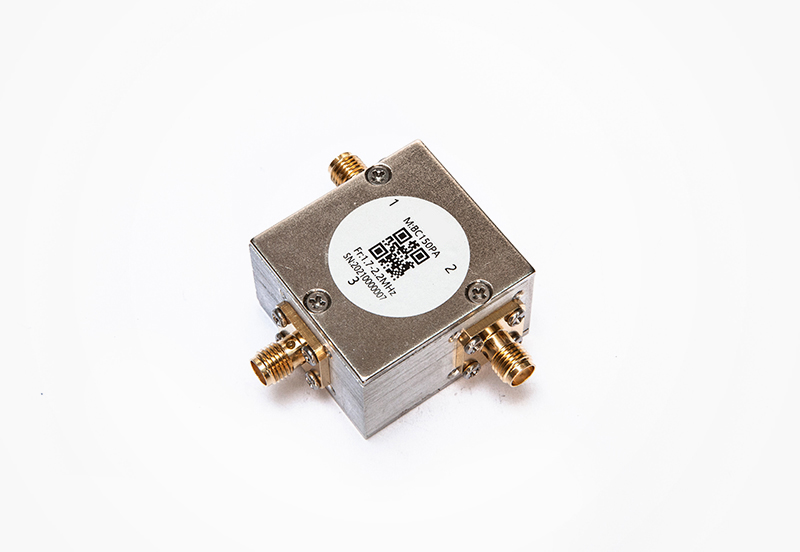
The waveguide RF circulator is a high-power, high-frequency specialized RF component designed exclusively for radar system operation, adopting rigid waveguide transmission structure to replace traditional coaxial transmission modes. Different from coaxial circulators, it utilizes hollow metal waveguide channels for electromagnetic signal transmission, which features extremely low signal loss and ultra-high power tolerance, fully meeting the high-frequency, high-power, and high-stability operational requirements of modern radar systems. With customized frequency band coverage for mainstream radar bands including S-band, C-band, X-band, and Ku-band, it can be perfectly matched with various military and civil radar equipment such as detection radar, tracking radar, and imaging radar.
Radar systems require extremely high signal isolation and transmission efficiency, and the waveguide RF circulator precisely meets these core demands. It achieves ultra-high reverse isolation above 25 dB, which completely separates the radar transmitting channel and receiving channel. During radar operation, the high-power transmitting signal is unidirectionally output through the antenna port, while the weak echo signal received by the antenna is accurately transmitted to the receiving module, effectively preventing high-power transmitting signals from leaking into the sensitive receiving circuit and causing component burnout or signal saturation. Its ultra-low insertion loss characteristic ensures maximum retention of radar transmitting power and echo signal strength, greatly improving radar detection range, target recognition accuracy, and anti-interference ability.
Engineered with high-strength metal integrated molding structure, the waveguide RF circulator boasts excellent mechanical rigidity, shock resistance, and thermal stability, capable of long-term stable operation in high-vibration, high-temperature, and high-load working environments of radar equipment. It features low temperature drift and strong environmental adaptability, with stable performance unaffected by external temperature and humidity changes. Widely deployed in aerospace radar, marine surveillance radar, vehicle-mounted detection radar, and meteorological radar systems, it acts as the core signal switching and isolation hub of radar transceivers. It effectively ensures the continuous and stable operation of radar equipment and improves the overall reliability and detection performance of radar systems.


Contact Phone:
0755-26701085 0755-26701002
Company Address :2nd Floor, Building A, Juchuang Jingu Creative Park, Xili Street, Nanshan District, Shenzhen