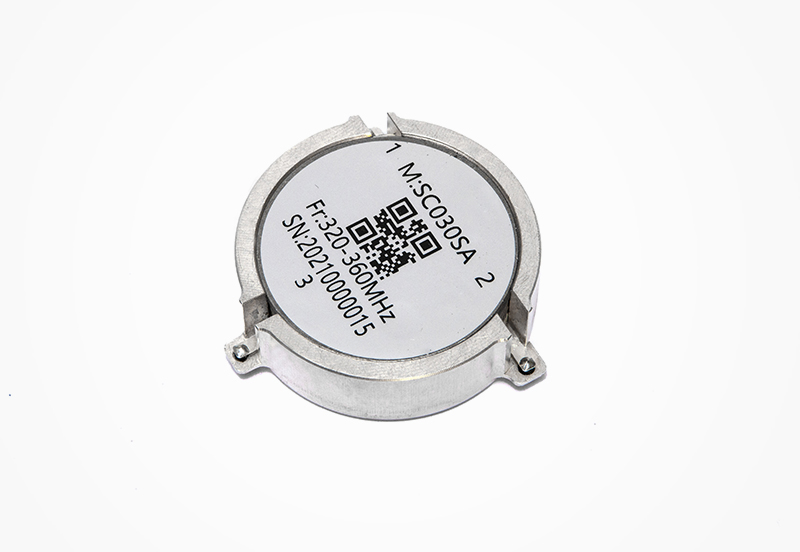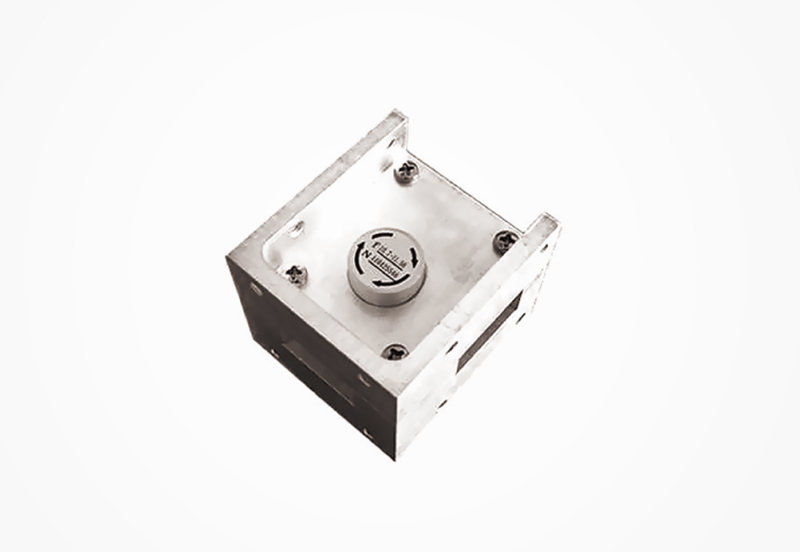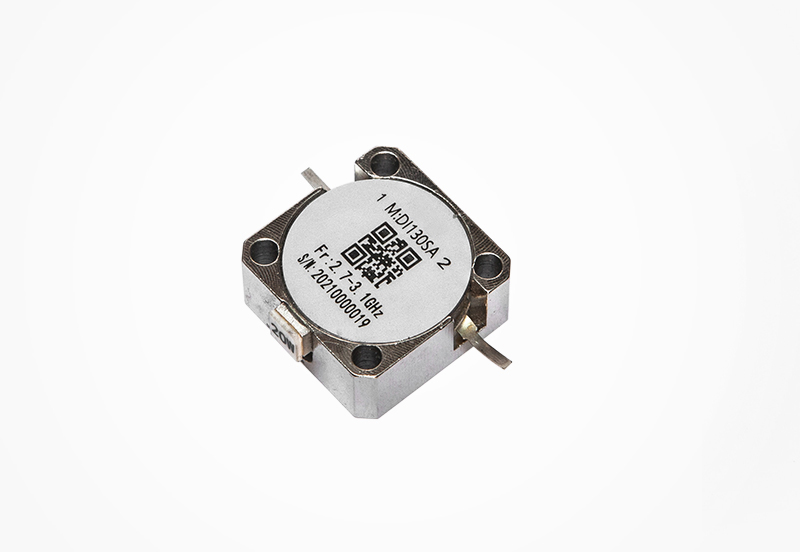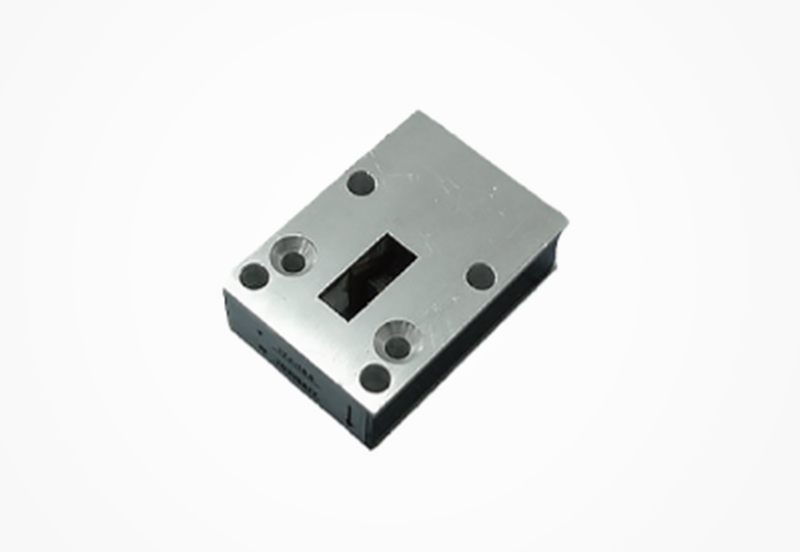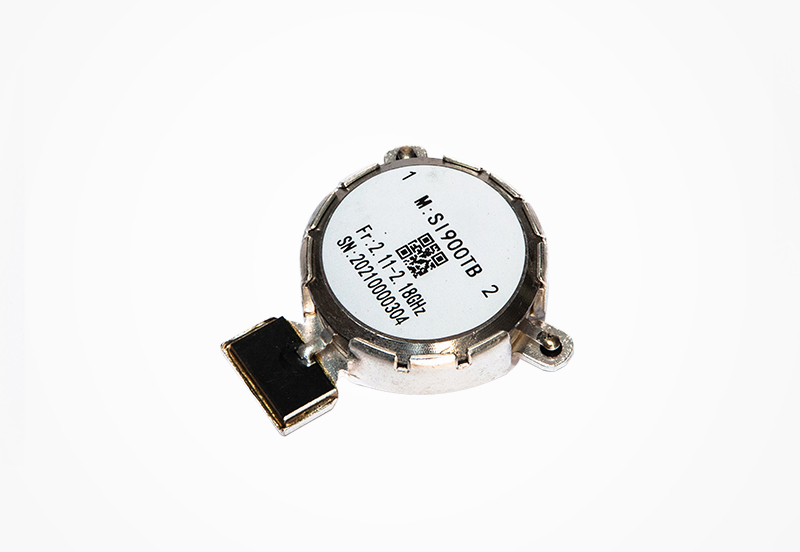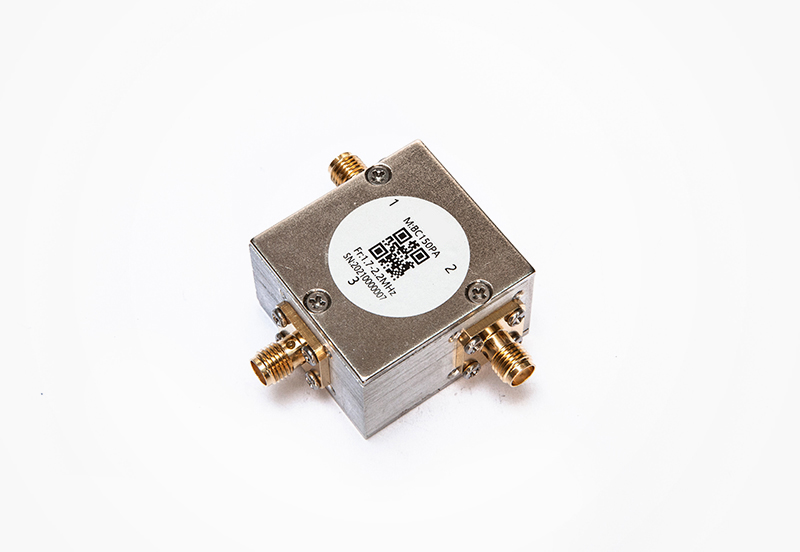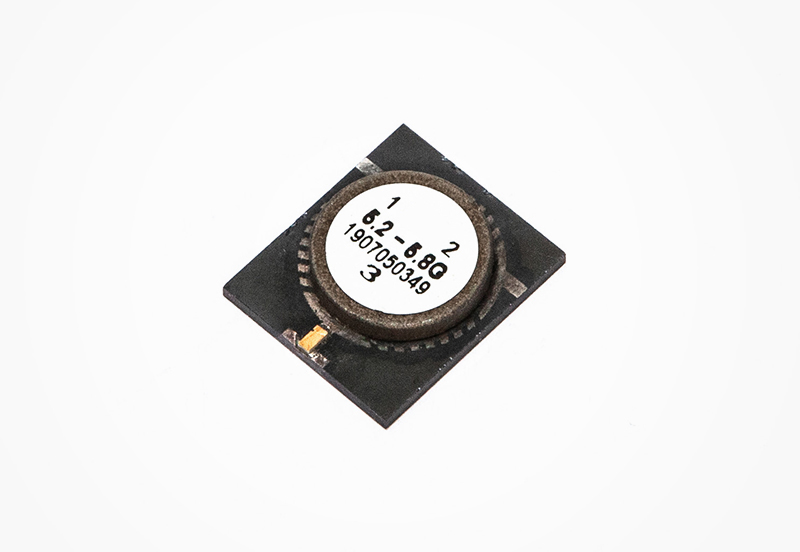




433MHz RF circulators customized for IoT wireless modules are professional low-frequency RF passive components developed for the 433MHz industrial, scientific and medical (ISM) free frequency band, specially adapting to the low-power, long-distance and anti-interference communication characteristics of IoT wireless transmission. The 433MHz frequency band is one of the most widely used frequency bands in the IoT industry, with the advantages of strong diffraction ability, long transmission distance and low signal attenuation, suitable for smart home, industrial monitoring, smart agriculture and remote meter reading scenarios. Traditional IoT wireless modules are prone to signal reflection and self-interference during transceiving switching, resulting in unstable data transmission and low communication success rate. The matching 433MHz RF circulator utilizes non-reciprocal transmission characteristics to realize isolated transceiving integration for IoT modules, effectively solving the problem of mutual interference between transmitting and receiving signals of low-frequency IoT wireless equipment.
This 433MHz dedicated RF circulator adopts miniaturized microstrip planar design and SMT surface mounting process, which is highly compatible with mainstream IoT wireless module PCB integration requirements. The product is optimized and calibrated for the 433MHz narrow frequency band, with precise impedance matching and resonant frequency design, ensuring optimal electrical performance in the target frequency band. It features ultra-low insertion loss at 433MHz, which minimizes RF signal energy loss during module transmission and improves the wireless communication distance and signal strength of IoT equipment. Meanwhile, it achieves high port isolation, which thoroughly isolates the high-power transmitting signal from the sensitive receiving channel, prevents the transmitting signal from flooding the receiving end, and avoids data receiving failure and module signal saturation caused by self-interference. The low VSWR design ensures smooth signal transmission without reflection oscillation, improving the stability of long-term data transmission of IoT modules.
In terms of application adaptation, the 433MHz RF circulator IoT wireless module component has the characteristics of low power consumption, low cost and high stability, fully meeting the large-scale deployment requirements of civilian and industrial IoT equipment. Its ultra-small packaging size can be seamlessly embedded into various compact IoT sensing modules, wireless transceiver modules and remote control modules without increasing the overall equipment volume. The component has strong environmental adaptability, can stably work in temperature and humidity fluctuation environments of industrial sites and outdoor scenes, and supports long-term unattended operation of IoT equipment. At present, this circulator is widely used in 433MHz smart home wireless control systems, industrial wireless data acquisition modules, agricultural environmental monitoring sensors, smart water and electricity meter remote transmission equipment and other IoT terminal products, effectively improving the anti-interference ability and communication reliability of low-frequency IoT wireless transmission, and promoting the stable and efficient operation of large-scale IoT wireless networking systems.


Contact Phone:
0755-26701085 0755-26701002
Company Address :2nd Floor, Building A, Juchuang Jingu Creative Park, Xili Street, Nanshan District, Shenzhen